Advanced Glass Reactor Systems: Precision Chemical Processing Solutions for Laboratory and Industrial Applications

Get a Free Quote

Our representative will contact you soon.
Email
Name
Contact Number
Company Name
Message
0/1000

glass reactor

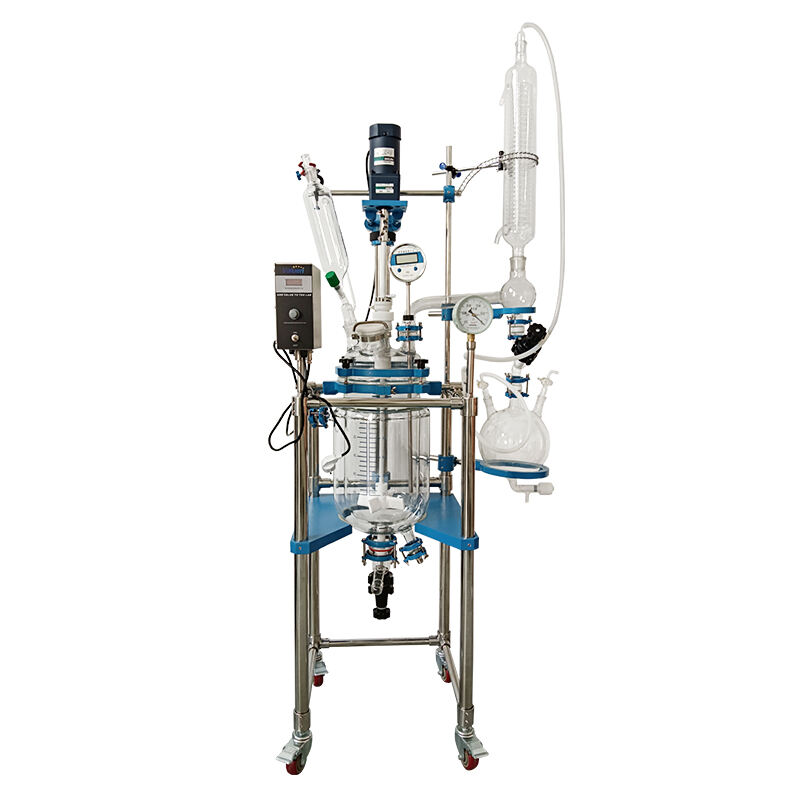
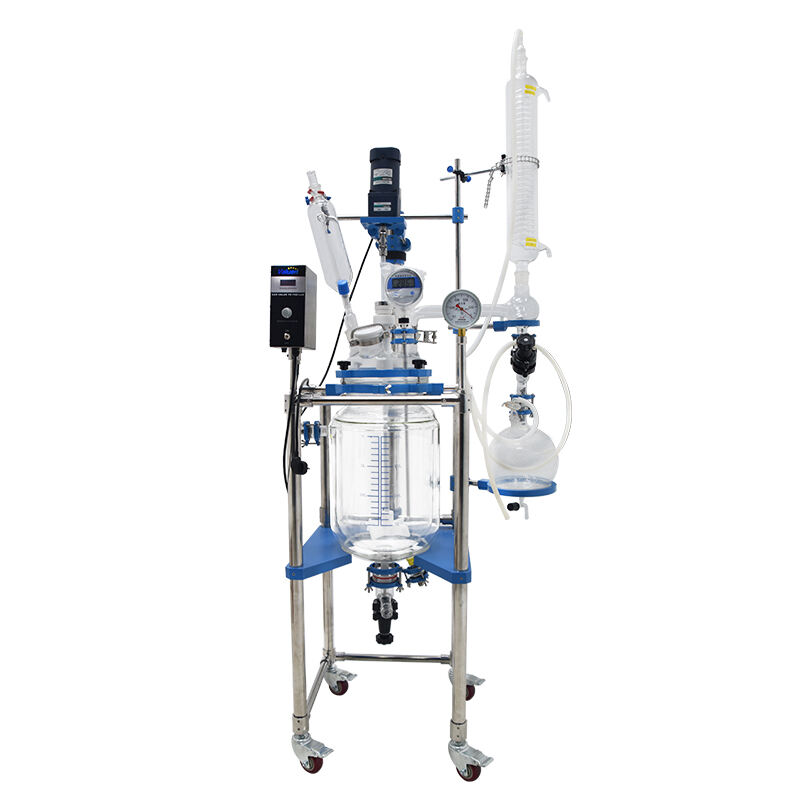
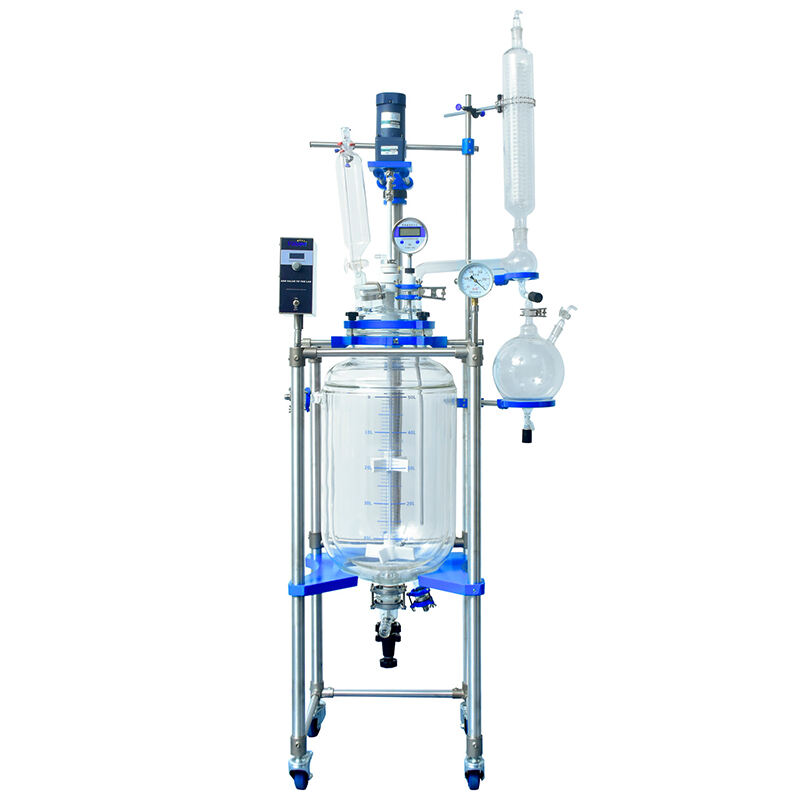
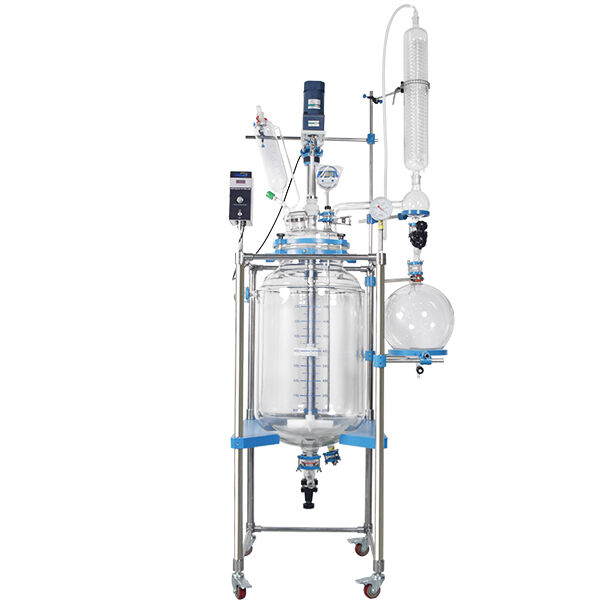
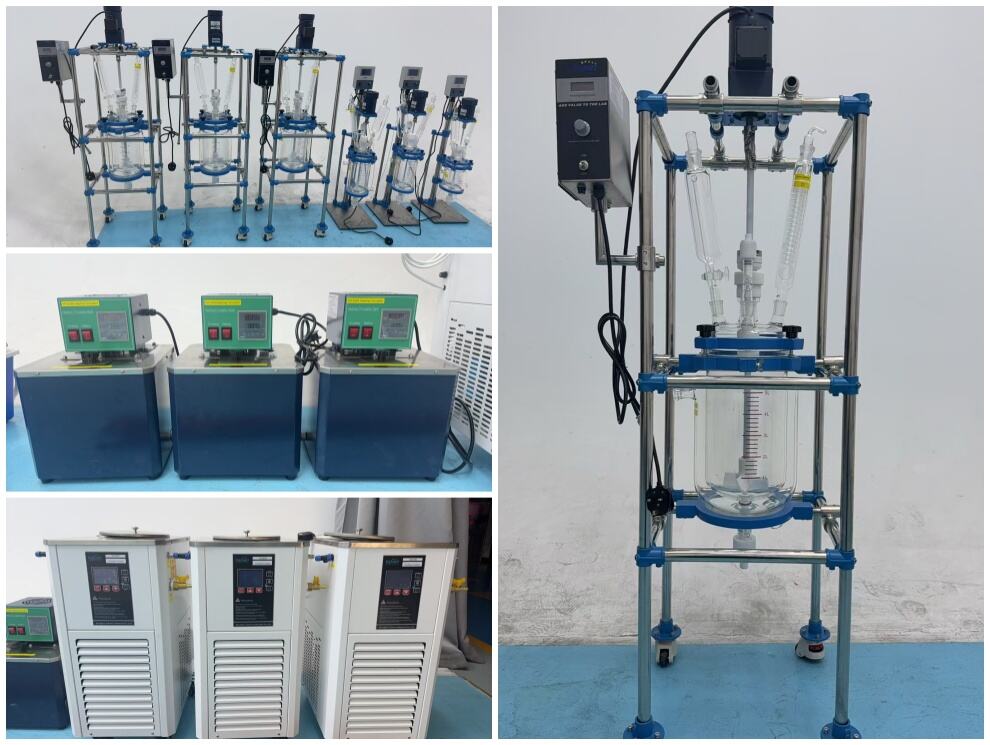
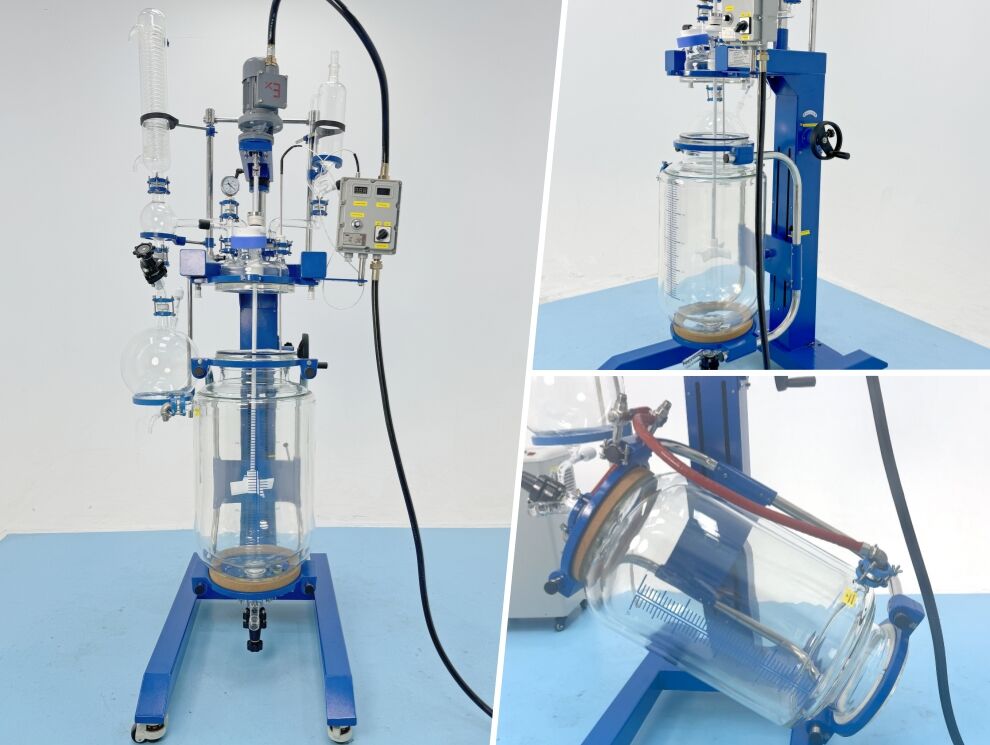
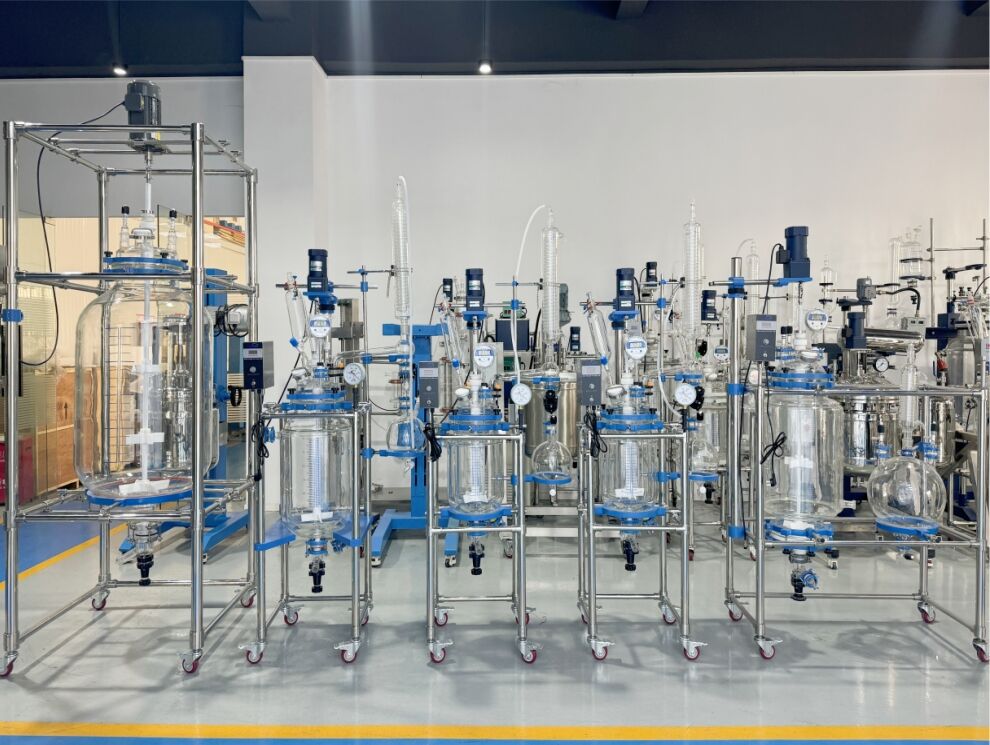
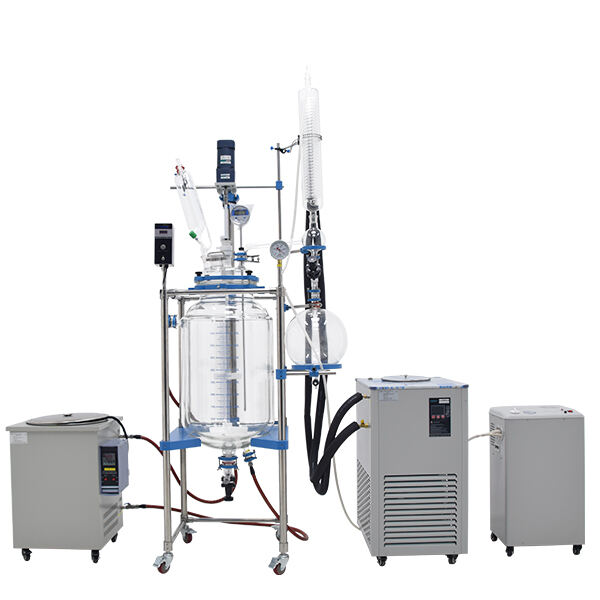
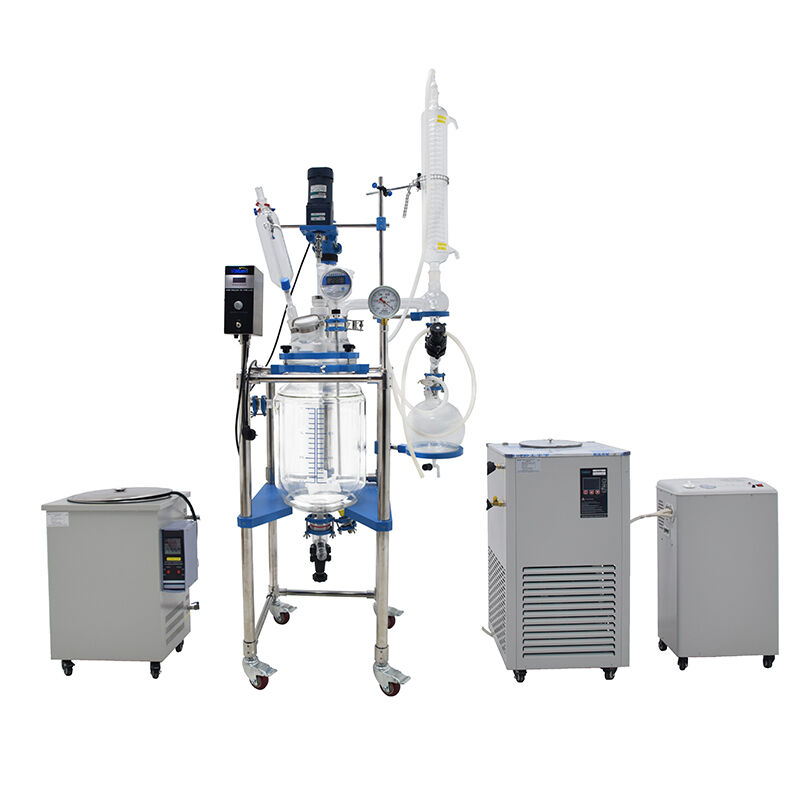
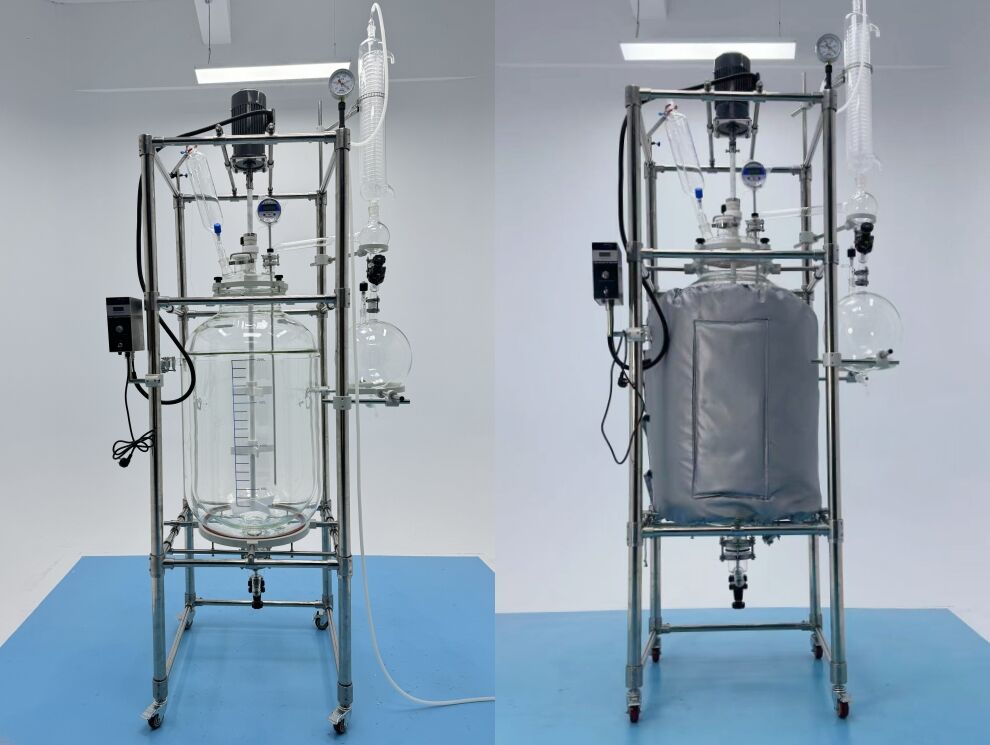
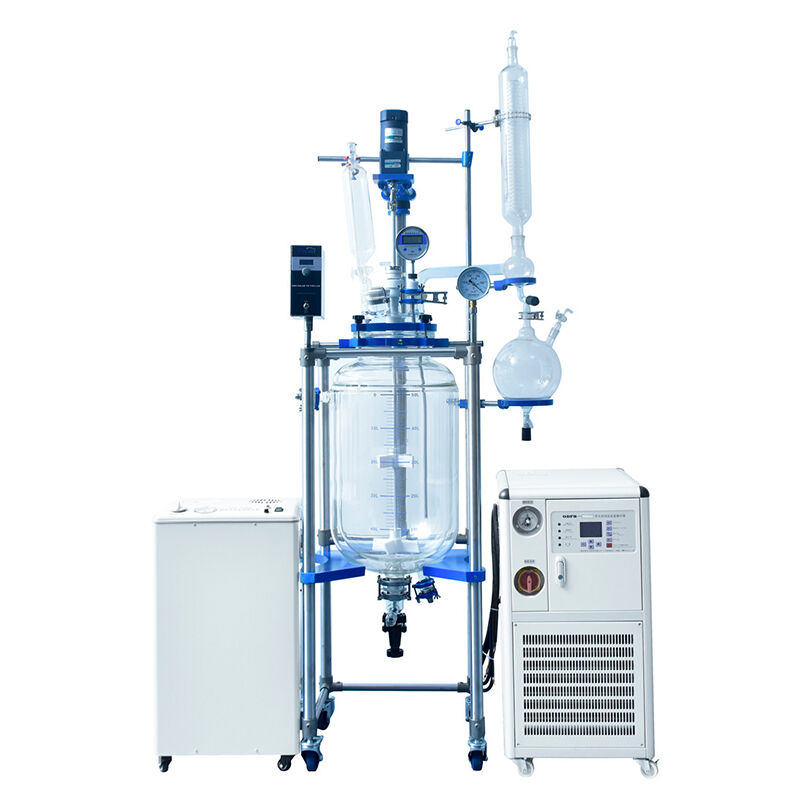
A glass reactor represents a sophisticated piece of laboratory equipment designed for conducting various chemical reactions under controlled conditions. This versatile vessel combines the transparency of borosilicate glass with advanced engineering to create an optimal environment for synthesis, crystallization, distillation, and extraction processes. The glass reactor serves as the cornerstone of modern chemical research and industrial applications, offering researchers and professionals unprecedented visibility into their reaction processes. The primary function of a glass reactor extends beyond simple mixing, encompassing precise temperature control, pressure regulation, and contamination prevention. These reactors feature double-wall construction that enables efficient heating and cooling through circulating thermal fluids, ensuring optimal reaction conditions throughout the process. The transparent nature of borosilicate glass allows operators to monitor reaction progress visually, detecting color changes, precipitation, and phase transitions in real-time. Modern glass reactor systems incorporate sophisticated technological features including digital temperature controllers, automated stirring mechanisms, and integrated safety systems. The reactor vessel typically includes multiple ports for introducing reagents, installing sensors, and connecting ancillary equipment such as condensers, addition funnels, and gas inlet systems. Advanced models feature programmable logic controllers that automate complex reaction sequences, reducing human error and improving reproducibility. The applications of glass reactors span numerous industries, from pharmaceutical research and development to fine chemical production and academic research. In pharmaceutical manufacturing, these reactors enable the synthesis of active pharmaceutical ingredients under sterile conditions, while in the petrochemical industry, they facilitate catalyst testing and process optimization. Educational institutions utilize glass reactors to teach reaction principles and provide hands-on experience with industrial-scale processes. The modular design of modern glass reactor systems allows for easy customization and scalability, making them suitable for both small-scale research and pilot plant operations.

New Products

Glass reactors deliver exceptional performance benefits that make them indispensable tools for chemical processing and research applications. The primary advantage lies in their unparalleled chemical resistance, as borosilicate glass withstands aggressive chemicals, strong acids, and alkaline solutions without degradation or contamination. This resistance ensures product purity and extends equipment lifespan significantly compared to metal alternatives. The transparency of glass reactors provides immediate visual access to reaction contents, allowing operators to observe critical changes such as color shifts, bubble formation, and precipitation patterns. This real-time monitoring capability enables prompt adjustments to reaction parameters, preventing unwanted side reactions and optimizing yield outcomes. Temperature control represents another significant advantage, with double-wall construction enabling precise thermal management through circulating heating or cooling media. The glass reactor maintains uniform temperature distribution throughout the vessel, eliminating hot spots that could cause product degradation or safety hazards. Easy cleaning and maintenance procedures reduce downtime between batches, as glass surfaces resist fouling and allow thorough sanitization with standard cleaning agents. The smooth interior surfaces prevent product buildup and facilitate complete product recovery, maximizing batch efficiency and minimizing waste. Versatility stands out as a key advantage, with glass reactors accommodating various reaction types including synthesis, crystallization, extraction, and distillation processes. Interchangeable components and modular accessories allow users to configure systems for specific applications without purchasing entirely new equipment. Cost-effectiveness emerges from the combination of durability, chemical resistance, and low maintenance requirements, providing excellent return on investment over extended operational periods. The glass reactor system reduces cross-contamination risks between different products, making it ideal for multi-product facilities and research environments. Safety features integrated into modern glass reactor designs include pressure relief systems, temperature monitoring, and emergency shutdown capabilities that protect operators and equipment. The inert nature of borosilicate glass eliminates catalytic effects that metal surfaces might introduce, ensuring reaction selectivity and product quality. Energy efficiency benefits result from excellent thermal transfer properties and insulation characteristics of double-wall glass construction. Environmental advantages include the recyclable nature of glass materials and reduced waste generation through improved process control and product recovery rates.

Tips And Tricks

Jacketed Glass Reactors: The Ultimate Corrosion Resistance Solution

16

Apr

Jacketed Glass Reactors: The Ultimate Corrosion Resistance Solution

Why Borosilicate Glass Makes Jacketed Glass Reactors Ideal for Corrosion Resistance The Role of Borosilicate Glass in Enhancing Corrosion Resistance of Glass Reactors Borosilicate glass is made from a mix of silica sand, boric oxide, and various al...
View More
Unlocking the Power of Jacketed Glass Reactors in Chemical Processing

16

Apr

Unlocking the Power of Jacketed Glass Reactors in Chemical Processing

How Jacketed Glass Reactors Work: Design, Components, and Functionality Definition and Core Components of Jacketed Glass Reactors Jacketed glass reactors are specialized systems featuring a primary reaction vessel encased in an outer thermal-regula...
View More
Why Jacketed Glass Reactors are Essential for Your Lab

16

Apr

Why Jacketed Glass Reactors are Essential for Your Lab

Superior Temperature Control for Consistent Reaction Conditions Jacketed glass reactors achieve ±0.5°C temperature stability through their double-wall design, ensuring precise and consistent reaction conditions critical for sensitive che...
View More
Applications of Glass Reactors in Pharmaceutical R&D and Production

11

Apr

Applications of Glass Reactors in Pharmaceutical R&D and Production

Glass reactors serve as fundamental equipment in pharmaceutical research and development, offering unparalleled visibility and chemical compatibility that makes them indispensable for drug discovery and manufacturing processes. The pharmaceutical ind...
View More

Get a Free Quote

Our representative will contact you soon.
Email
Name
Contact Number
Company Name
Message
0/1000

glass reactor

Superior Chemical Compatibility and Purity Assurance

Superior Chemical Compatibility and Purity Assurance

The glass reactor stands out in the industry due to its exceptional chemical compatibility, making it the preferred choice for demanding applications where material purity is paramount. Constructed from high-quality borosilicate glass, these reactors demonstrate remarkable resistance to virtually all chemical compounds, including strong acids, bases, organic solvents, and aggressive reagents that would quickly corrode or contaminate metal vessels. This superior chemical resistance stems from the unique molecular structure of borosilicate glass, which contains silicon dioxide and boron trioxide that create an extremely stable and inert surface. Unlike stainless steel or other metallic reactor materials, glass reactors eliminate the risk of metal ion leaching into reaction mixtures, which could act as unwanted catalysts or cause product contamination. This feature proves particularly crucial in pharmaceutical synthesis, where even trace metal contamination can render entire batches unusable and compromise patient safety. The inert nature of glass ensures that sensitive compounds maintain their integrity throughout complex multi-step synthesis processes, enabling researchers to achieve higher yields and superior product quality. Food and beverage industries benefit significantly from this chemical inertness, as glass reactors prevent flavor contamination and preserve the organoleptic properties of products. The non-porous surface of borosilicate glass prevents absorption of chemicals or odors from previous batches, eliminating cross-contamination concerns that plague other reactor materials. This characteristic allows facilities to switch between different products without extensive cleaning protocols or dedicated equipment, significantly improving operational flexibility and reducing capital investment requirements. Quality control procedures become more reliable with glass reactors, as analytical results reflect true product composition without interference from reactor materials. Research institutions particularly value this aspect, as it ensures experimental reproducibility and maintains the scientific validity of published results. The long-term stability of borosilicate glass under thermal cycling and chemical exposure means that glass reactors maintain their performance characteristics throughout their operational lifetime, providing consistent results year after year.
Advanced Thermal Management and Process Control

Advanced Thermal Management and Process Control

Modern glass reactor systems incorporate sophisticated thermal management capabilities that provide precise control over reaction temperatures, enabling optimal process conditions and enhanced safety margins. The innovative double-wall design creates an efficient heat transfer zone where heating or cooling fluids circulate to maintain exact temperature requirements throughout the reaction vessel. This thermal jacket system responds rapidly to temperature adjustments, allowing operators to implement complex temperature profiles including gradual heating ramps, controlled cooling sequences, and precise temperature holds that many chemical processes demand. The uniform heat distribution achieved through this design eliminates dangerous hot spots that could cause thermal decomposition or runaway reactions, significantly enhancing process safety and product quality. Advanced glass reactor systems integrate sophisticated control algorithms that automatically adjust heating and cooling rates based on real-time temperature feedback, maintaining setpoints within narrow tolerances even during highly exothermic or endothermic reactions. The thermal mass characteristics of glass provide excellent temperature stability, minimizing fluctuations that could negatively impact sensitive reactions or crystallization processes. Digital temperature controllers offer programmable operation modes that can execute complex thermal protocols automatically, reducing operator workload and improving process reproducibility. The glass reactor thermal system accommodates a wide temperature range, typically from -80°C to +300°C, enabling diverse applications from cryogenic crystallizations to high-temperature synthesis reactions. Rapid thermal response capabilities allow for emergency cooling procedures that can quickly quench dangerous reactions, providing an additional safety layer for high-risk processes. Energy efficiency benefits result from the excellent insulation properties of the double-wall construction, which minimizes heat loss to the surrounding environment and reduces utility costs. The thermal gradient monitoring capabilities built into advanced glass reactor systems provide valuable process insights, helping operators optimize reaction conditions and improve yield outcomes. Integration with data logging systems captures thermal profiles for regulatory compliance and process improvement initiatives, supporting quality management systems and continuous improvement efforts.
Comprehensive Visibility and Real-Time Process Monitoring

Comprehensive Visibility and Real-Time Process Monitoring

The transparent nature of glass reactors revolutionizes chemical processing by providing unprecedented visibility into reaction dynamics, enabling operators to observe and respond to process changes as they occur in real-time. This visual access transforms the traditional approach to chemical manufacturing from a blind process to an observable science, where operators can witness nucleation events, phase changes, color transitions, and other critical indicators that signal reaction progress or potential problems. The crystal-clear borosilicate glass construction allows for complete 360-degree observation of reaction contents, enabling multiple operators or monitoring systems to simultaneously track different aspects of the process from various angles. Advanced lighting systems can be integrated around glass reactors to enhance visibility and enable photography or video recording for documentation, training, and troubleshooting purposes. This visual monitoring capability proves invaluable during scale-up operations, where understanding reaction kinetics and mixing patterns becomes critical for successful technology transfer from laboratory to production scales. Crystallization processes benefit tremendously from this transparency, as operators can observe crystal formation, growth rates, and polymorphic changes that directly impact product quality and downstream processing requirements. The ability to see gas evolution patterns, foam formation, and liquid-liquid phase separations provides immediate feedback on mass transfer efficiency and helps optimize agitation parameters for improved process performance. Quality control personnel can visually verify batch consistency and detect anomalies early in the process, preventing the production of off-specification material and reducing waste. Research and development activities gain significant advantages from this visibility, as chemists can observe reaction mechanisms in action and make real-time adjustments to experimental conditions. The glass reactor transparency facilitates educational applications, allowing students and trainees to witness chemical principles in practice and develop intuitive understanding of reaction behavior. Photography and video documentation capabilities support regulatory submissions and patent applications by providing visual evidence of process innovations and product characteristics. Integration with modern imaging systems and artificial intelligence algorithms enables automated monitoring of visual indicators, alerting operators to deviations from normal operating parameters and supporting predictive maintenance strategies.

Get a Free Quote

Our representative will contact you soon.
Email
Name
Contact Number
Company Name
Message
0/1000